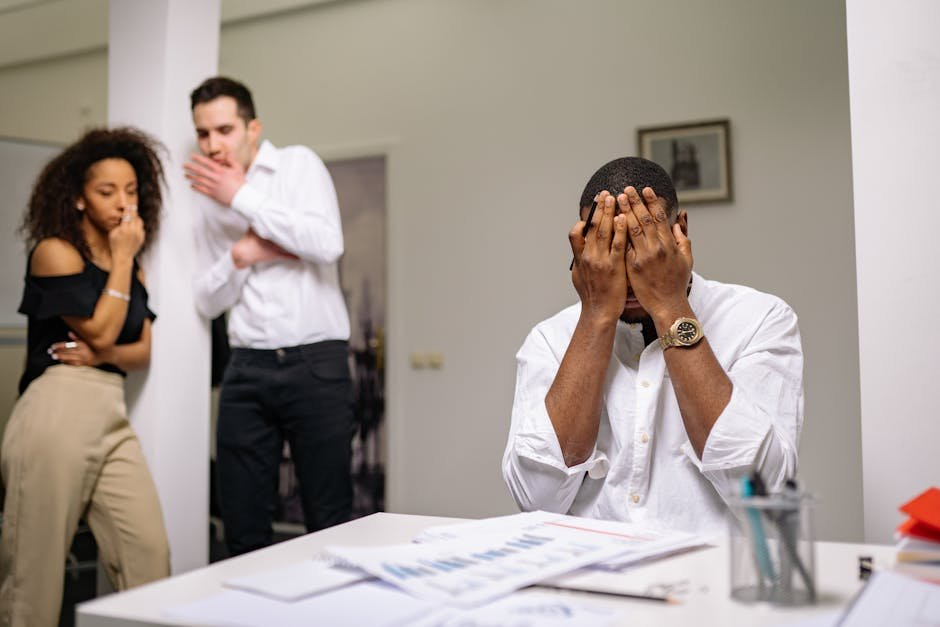
How to Mix Different DISC Styles and Actually Enjoy Working Together
In every team, you’ll find people with different personalities-some who speak up quickly, others who listen and think before responding, and a few who prefer to keep things lighthearted. When you bring these different DISC styles together, you have the recipe for a stronger, more balanced team. But blending these styles takes a little know-how, especially if you want your team to work well and actually enjoy collaborating day to day.
What Makes DISC Styles Unique?
DISC stands for Dominance, Influence, Steadiness, and Conscientiousness. These four behavioral styles help explain how you and your colleagues communicate, make decisions, and deal with challenges. Each style comes with its own strengths:
- Dominance (D): Fast-paced, direct, and focused on results.
- Influence (I): Outgoing, positive, and energized by working with others.
- Steadiness (S): Calm, supportive, and steady under pressure.
- Conscientiousness (C): Analytical, careful, and detail-focused.
Chances are your team includes a mix of these styles. When you understand what makes each style tick, you can turn differences into advantages-whether you’re leading a project, joining a new team, or running a meeting.
Takeaway: Know your DISC style and learn to spot others’ styles. This is the first step to better communication and teamwork.
Why Blending DISC Styles Matters for Teams
It’s easy to fall into the trap of thinking everyone should communicate the same way. But when you work with people from different DISC styles, you gain fresh perspectives and avoid groupthink. For example, a team of all Dominance types might push projects forward quickly, but could overlook the finer details. By mixing in Conscientiousness and Steadiness types, you bring balance and depth.
- Boost creativity: Different viewpoints spark new ideas.
- Cover all bases: Each style brings unique strengths to the table.
- Lower stress: Understanding why someone reacts a certain way can prevent misunderstandings and short tempers.
Tip: Try pairing team members with opposite DISC styles for brainstorming or problem-solving. You’ll notice richer discussions and more creative solutions.
Simple Ways to Blend DISC Styles at Work
Blending personalities doesn’t have to mean big, dramatic changes. Small adjustments in how you communicate and collaborate can make all the difference. Here’s what you can try right away:
- Match your message: If you’re talking to a Dominance type, get to the point quickly. For an Influence type, show some enthusiasm and ask for their input. With Steadiness types, be patient and supportive. For Conscientiousness types, offer details and clarity.
- Share the spotlight: Give everyone a chance to speak, especially in meetings. Influence types love to talk, but Steadiness and Conscientiousness styles may need a direct invitation.
- Balance feedback: Dominance and Influence types appreciate big-picture feedback, while Steadiness and Conscientiousness types often value specifics and encouragement.
- Mix up project roles: Assign tasks based on strengths. For example, have a Conscientiousness type check project details, while an Influence type leads the presentation.
Next step: At your next team meeting, ask everyone to share one thing that helps them do their best work. This opens the door to understanding each other’s DISC style in action.
Bringing DISC Blending to Life: Real-World Examples
Whether you’re managing a team in Mill Valley or traveling out to Alameda, Berkeley, Corte Madera, San Rafael, or Larkspur, you’ll spot the benefits of blending DISC styles when you look for them. Think about the last time you worked on a project with someone very different from you. Maybe you were the detail person, and your colleague was the big-idea generator. Or you were focused on keeping the peace, while someone else kept pushing for faster decisions. That mix made the project better-even if it felt challenging in the moment.
Teams in the Bay Area, from bustling offices in Berkeley to creative agencies in Alameda, often succeed because they draw on a wide mix of personalities. When you travel between these nearby areas for meetings or workshops, you’ll notice each group has its own vibe-but DISC gives you a common language to bridge those differences.
Try this: When working with new teams, take a few minutes to identify the mix of DISC styles. Use what you learn to guide how you organize meetings, delegate tasks, or handle disagreements.
Key Takeaways for Blending DISC Styles
- Recognize and appreciate different DISC styles on your team.
- Adjust your communication for each style-don’t expect everyone to respond the same way.
- Use DISC as a tool for better meetings, smoother projects, and stronger relationships.
- Apply what you learn, whether you’re in Mill Valley or heading out to Alameda, Berkeley, Corte Madera, San Rafael, or Larkspur.
Start small. Even one conversation where you use DISC insights can open up new possibilities for your team. The more you practice, the easier-and more enjoyable-it gets to blend DISC styles and build a team you truly like working with.