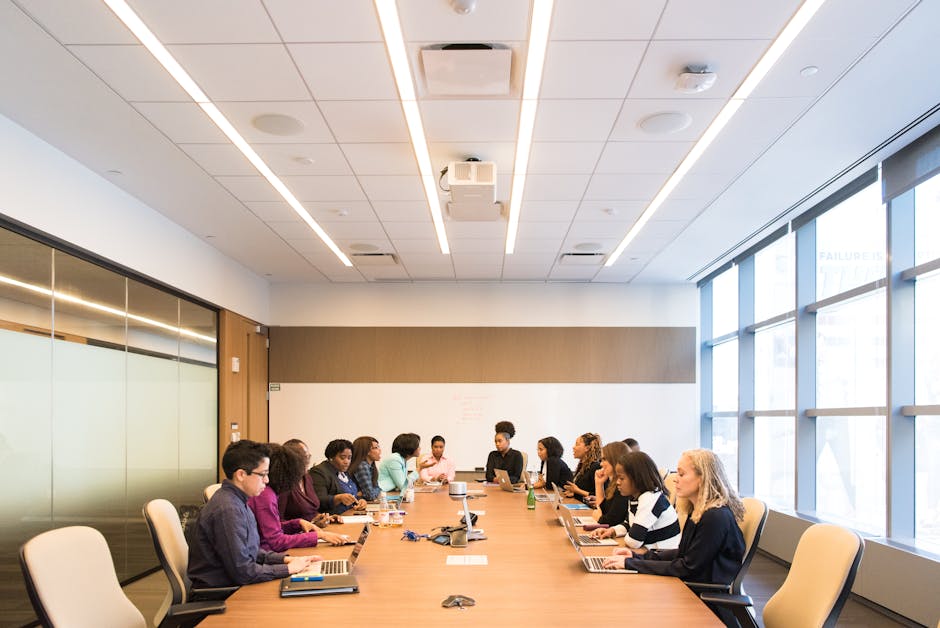
How DISC Can Help You Run Smoother Meetings
Meetings don’t have to feel like a never-ending to-do list or a juggling act of personalities. If you and your team want to cut down on confusion and actually get things done, a few small tweaks using the DISC model can make a world of difference. As someone working in Lakewood or traveling from places like Tacoma, University Place, Puyallup, Gig Harbor, or Auburn, you know how valuable it is to make every minute count-especially when you’re balancing busy commutes and packed schedules.
What DISC Means for Your Meetings
The DISC model is a practical tool that helps you figure out how different people like to communicate, make decisions, and respond in group settings. When you understand where you and your teammates fall-Dominance, Influence, Steadiness, or Conscientiousness-you can create meetings that work for everyone.
- Dominance (D): Direct, results-focused, and quick to act.
- Influence (I): Social, enthusiastic, and enjoy group interaction.
- Steadiness (S): Calm, consistent, and prefer stability.
- Conscientiousness (C): Detail-oriented, analytical, and value accuracy.
Takeaway: Knowing your team’s DISC profiles helps you plan meetings where everyone can contribute and feel understood.
Spot Communication Styles in Real Time
Start meetings by recognizing different behavioral styles. Maybe your colleague from Puyallup is always getting to the point, while someone from University Place likes to hear everyone’s thoughts before making a decision. By watching for these cues, you can adjust your approach on the fly.
- Invite direct feedback from “D” types by asking for their main priorities first.
- Give “I” types time to share ideas and connect with others in the group.
- Offer “S” types clear agendas and a chance to process before asking for opinions.
- Let “C” types know you’ll give them space for clarifying questions and details.
Tip: Try opening your next meeting with a quick check-in-ask what everyone wants to accomplish. You’ll see right away how different styles show up.
Build an Agenda That Works for Every Style
A meeting without a plan can easily go sideways. Use DISC to design agendas that keep everyone engaged, whether you’re dialing in from Gig Harbor, just across the Narrows, or coming in from Auburn after a long drive down I-5.
- Start with a clear purpose: Set expectations so “D” types know the goals.
- Include time for discussion: “I” styles want to brainstorm and connect.
- Allow for steady progress: “S” styles appreciate predictability and structure.
- Share details in advance: “C” types will be ready to dive into the data.
Next Step: Before your next team huddle, send out an agenda that covers the big picture, leaves room for ideas, and includes all the info your detail-focused colleagues need.
Handle Conflict With Confidence
Conflict can pop up in meetings, especially when everyone’s coming at problems from a different angle. Maybe you’ve noticed this when working with partners from Tacoma or Gig Harbor-sometimes, a little tension is just a sign of different communication styles clashing.
- For “D” types, stick to facts and solutions. They respect directness.
- For “I” types, keep the conversation positive and open.
- For “S” types, focus on keeping things calm and respectful.
- For “C” types, explain your reasoning and back up your points with data.
Action: When a tough topic comes up, pause and ask each person for their perspective. Use their DISC style as a guide for how to respond.
Make Every Voice Count
Meetings are most productive when everyone gets a chance to speak up, whether you’re remote or in-person. If your team covers territory from Auburn to Puyallup or heads down to University Place, you know that people can easily feel left out or overlooked.
- Rotate who leads different agenda items.
- Check in with quieter team members before moving on.
- End with a roundtable so everyone can share a quick thought or takeaway.
Try This: At your next meeting, assign a timekeeper and a facilitator-switch it up week to week so everyone practices leading and participating.
Bringing It All Together
With just a few practical tweaks using DISC, you can make meetings shorter, more focused, and-best of all-more enjoyable for everyone. Whether you’re hosting folks from Tacoma, University Place, Puyallup, Gig Harbor, or Auburn, these strategies help everyone work together, get their voices heard, and walk away with real results.
Next time you schedule a meeting, try using one DISC-inspired tip. You’ll notice the difference right away.