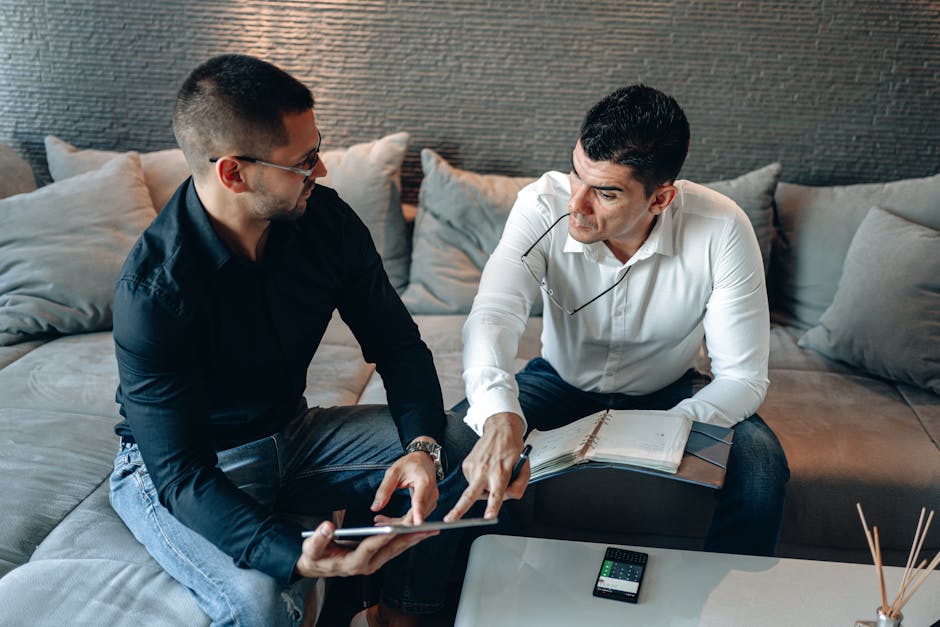
How to Combine Different DISC Styles for a Stronger Team
If you’re working in Kirkland, you know how important it is to bring people together and get things done. Whether you’re based in Bellevue, Redmond, Sammamish, Woodinville, or Bothell, your team probably has a mix of personalities and working styles. That’s where understanding DISC can make your job easier-and your team much more effective.
What Blending DISC Styles Really Means
DISC is a practical tool for understanding how people prefer to communicate, solve problems, and make decisions. On any given team, you may find:
- D (Dominance): Direct, results-focused folks who move quickly and speak their minds.
- I (Influence): Outgoing, enthusiastic team members who are all about relationships and energy.
- S (Steadiness): Supportive, dependable people who listen well and value stability.
- C (Conscientiousness): Detail-oriented, analytical thinkers who love accuracy and data.
Bringing these different styles together can feel like a challenge, especially during crunch time. But when you know how to blend them, you set your team up for better conversations, smarter decisions, and less stress for everyone.
Try this: Identify which DISC style each team member tends to use. It’s the first step to building awareness and respect.
Why Mixing DISC Styles Helps Teams Succeed
Teams with a healthy mix of DISC types are more flexible and resilient. Here’s what you stand to gain:
- Wider perspectives: You’ll hear different ideas and avoid groupthink.
- Better problem-solving: Teams with varied styles stay creative and adapt quickly to changes.
- More balanced communication: Team meetings become less of a one-note conversation and more of a real discussion.
- Stronger relationships: When you appreciate each other’s styles, you build trust and reduce misunderstandings.
Tip: Start your next team check-in by asking everyone to share how they like to receive feedback or updates. Watch how much smoother your conversations become.
Simple Ways to Blend DISC Styles Day-to-Day
Once you understand your team’s DISC profiles, you can use a few practical strategies to work better together:
- Balance meeting styles: Give direct communicators time to share big ideas first, then invite quieter teammates to weigh in.
- Match the message to the person: Some team members want details in writing, while others prefer talking things through face-to-face.
- Divide up tasks: Let the detail-oriented folks handle planning, while the relationship builders can take the lead on group updates or celebrations.
- Handle conflict proactively: Use DISC language to talk about differences. For example, “I tend to focus on details, while you move fast-how can we meet in the middle?”
Next step: Try rotating meeting roles so everyone gets to stretch their skills and learn from each other’s strengths.
Real-World Results from Blending DISC Styles
Teams across your area-from the tech offices in Bellevue to healthcare groups in Redmond and nonprofits in Sammamish-are using DISC to build stronger collaboration. You might see:
- Project teams in Woodinville using color-coded charts to balance strengths and avoid dropped balls.
- Managers in Bothell running quick DISC check-ins before big presentations to make sure every voice is heard.
- Remote teams from Kirkland and nearby cities sharing DISC cheat-sheets to keep communication clear over email and video calls.
Takeaway: When you lean into DISC, you set your team up for smoother handoffs, friendlier debates, and real progress-even when things get busy.
Your Next Step for a More Connected Team
Start by getting a DISC assessment for your group. Once you know your team’s mix, schedule a DISC workshop or training session. This hands-on approach gets everyone talking about their styles, strengths, and challenges in a safe, productive way.
- Kick off with a simple self-assessment or a group exercise.
- Share real examples of how different styles have helped (or hurt) recent projects.
- Commit as a team to trying one new DISC strategy at your next meeting.
Tip: Even one DISC training can make a big difference in team morale and results. Take that first step-your future self (and your team) will thank you.