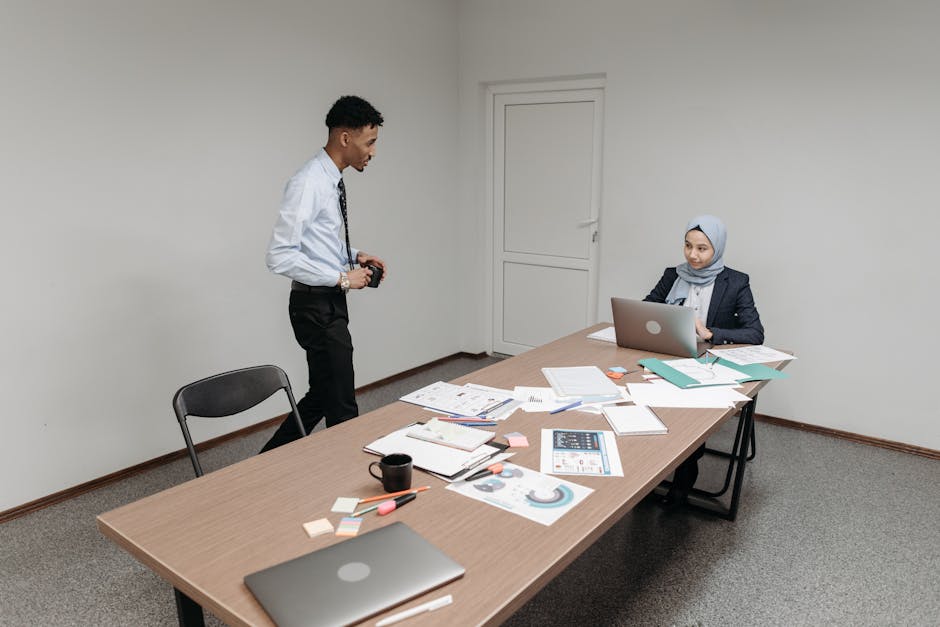
Speak So Everyone Listens: Using DISC in Your Meetings
Ever left a meeting in El Paso feeling like your ideas got lost in translation? Maybe you travel out to Socorro, Horizon City, San Elizario, Fort Bliss, or even Canutillo for work, and you notice the same thing. Some people tune you out, while others jump in before you’ve finished a sentence. There’s a reason for that-everyone communicates differently. The DISC model can help you speak so each person in the room actually hears you.
DISC Communication Styles in Meetings
DISC stands for four main personality styles: Dominance (D), Influence (I), Steadiness (S), and Conscientiousness (C). Each style pays attention to different things in a meeting. When you understand who’s who at your table, you can get more done and walk away with fewer misunderstandings.
- D (Dominance): Fast-paced, results-focused, likes to get to the point.
- I (Influence): Outgoing, enthusiastic, enjoys group energy and new ideas.
- S (Steadiness): Reliable, calm, prefers a steady pace and clear plans.
- C (Conscientiousness): Detail-oriented, values accuracy, likes clear data and logic.
Takeaway: By spotting these styles, you can adjust how you share information so everyone’s on board-no matter where you’re meeting.
How to Speak So Each Style Listens
Here’s how you can connect with every DISC style during meetings, whether you’re in El Paso or driving out to Horizon City or San Elizario for a team huddle.
- If you’re talking to D types: Be direct and brief. Start with the result, then explain the steps. Skip the small talk. End with clear action items.
- If you’re talking to I types: Focus on the big picture and share your excitement. Invite them to brainstorm or give feedback. Keep things moving and interactive.
- If you’re talking to S types: Build trust by explaining the why behind changes. Give plenty of notice and reassure them about what stays the same. Let them ask questions.
- If you’re talking to C types: Provide data, facts, and a logical plan. Give them time to review details. Avoid rushing decisions; show you value their expertise.
Tip: Before your next meeting, jot down one adjustment you can make for each style. Watch how responses shift when you try it out.
Practical Meeting Moves for DISC Success
Whether your team is gathering at a local El Paso office or you’re hosting folks from Fort Bliss or Socorro, using DISC is about more than just knowing who’s who. It’s about taking small steps in how you run meetings, so everyone feels heard.
- Open with a clear agenda-D and C types appreciate knowing what’s ahead.
- Encourage sharing-I and S types will step up when you invite input in a friendly way.
- Summarize key points and next steps-this helps every style leave on the same page.
- Check in after the meeting-S and C folks might have good questions once they’ve had time to think.
Suggested next step: Try asking attendees to share which part of the meeting worked best for them. You’ll get clues about their DISC style and what to tweak next time.
Bringing It All Together: Real Benefits for Your Team
When you use the DISC model in meetings, you don’t just avoid confusion-you build trust, save time, and boost teamwork. Teams across El Paso, Socorro, Horizon City, San Elizario, and Fort Bliss see fewer repeat conversations and more follow-through when everyone’s communication style is respected.
- Better follow-up: Clearer action items lead to less confusion.
- Stronger relationships: People feel valued when you speak their language.
- Faster decisions: Each style gets the info they need to move forward.
- Less conflict: Understanding why someone reacts a certain way helps you respond, not just react.
Actionable tip: At your next meeting-whether in the office or out in Horizon City-try matching your message to each person’s DISC style. You’ll see results right away.
Start Using DISC in Your Next Meeting
You don’t need a fancy workshop or a deep dive into personality theory to start seeing the benefits. Bring a simple DISC chart, jot down who seems to fit each style, and tailor your message. Over time, you’ll notice meetings flow smoother, and people from all across your area start to really listen-and respond.
Next step: Pick one DISC strategy from above and use it in your next team meeting. Notice the difference in how people react-and keep building from there.