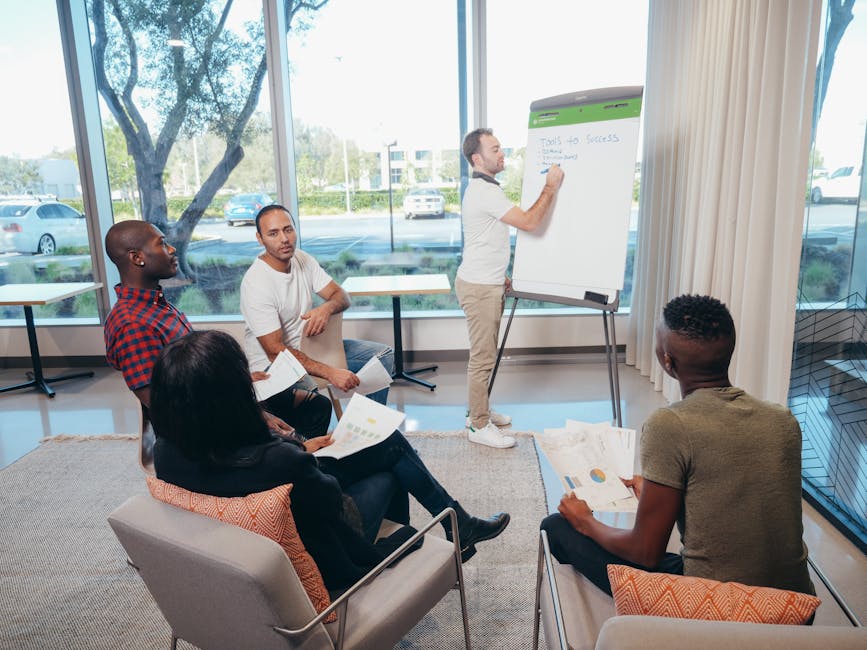
How DISC Makes Your 1:1 Meetings Better
When you manage people, every 1:1 meeting is a chance to build trust, solve problems, and help your team grow. But sometimes, even with the best of intentions, these meetings can feel a little off-maybe someone clams up, or you notice the conversation never really gets to the heart of the issue. If you want practical ways to make your 1:1s more productive and less stressful, DISC training offers tiny tweaks that make a big difference.
DISC Basics: What It Means for Your Conversations
DISC stands for four main personality styles: Dominance, Influence, Steadiness, and Conscientiousness. When you know which style you and your team members lean toward, it’s easier to adjust your approach and get better results from every conversation.
- D (Dominance): Direct, decisive, likes to get to the point
- I (Influence): Outgoing, enthusiastic, values relationships
- S (Steadiness): Calm, dependable, prefers cooperation
- C (Conscientiousness): Careful, analytical, needs details
Knowing these styles helps you spot why some meetings fly by and others feel like pulling teeth. Most importantly, it gives you a way to adjust your style to fit the person you’re meeting with.
Takeaway: Start by considering your own DISC style and your team member’s style. This small step sets the tone for every 1:1 interaction.
Tiny Tweaks: Make Your 1:1s Work for Everyone
Here’s how you can use the DISC model to tailor your approach, no matter if you’re working in a bustling office or hopping between meetings online. These tweaks work for managers in all kinds of industries, from tech startups to manufacturing floors.
- For Direct (D) types: Jump right in. Skip the small talk, set a clear agenda, and respect their time. Ask for their input on decisions, and be ready for honest feedback.
- For Influencers (I): Warm up the conversation. Show interest in their hobbies or recent wins. Keep things positive, and look for ways to collaborate or brainstorm.
- For Steady (S) types: Give reassurance. Let them know they’re valued, and avoid putting them on the spot. Ask how changes affect them, and allow space for them to share concerns.
- For Conscientious (C) types: Bring the details. Share data or examples, and give them time to prepare for meetings. Stick to the facts, and avoid surprises.
Even small changes-like sending an agenda ahead of time or starting with a quick check-in-can make your meetings more comfortable and productive for everyone involved.
Tip: Try using a quick, two-minute “DISC check” before your next 1:1. Ask yourself, “What does this person need to feel comfortable and heard?”
DISC in Action: Real Results from Real Teams
Across the region, managers are discovering how DISC training leads to less stress and stronger teams. Whether you’re in DeSoto or driving in from nearby spots like Cedar Hill, Duncanville, Dallas, Grand Prairie, or Lancaster, you’re likely juggling a mix of personalities and work styles.
- A manager in Dallas noticed that by adjusting her communication style for a Conscientious team member, their project updates became clearer and deadlines more predictable.
- In Cedar Hill, a team leader started using more open-ended questions with Influencer types, leading to a surge in creative ideas during 1:1s.
- Managers from Duncanville and Grand Prairie report that Steady types are more willing to share concerns when meetings feel safe and unhurried.
- Colleagues in Lancaster say their Dominant team members appreciate when meetings stay focused and results-oriented.
These examples show that DISC isn’t about putting people in boxes. It’s about helping you make small adjustments that pay off in trust, motivation, and results.
Next Step: After your next 1:1, jot down what worked well and what felt off. Over time, you’ll see patterns that guide your approach.
Keep Improving: Simple Ways to Use DISC Every Week
Building better 1:1s is less about big overhauls and more about small, steady improvements. Here’s how you can keep using DISC in your regular routine:
- Review DISC profiles before meetings
- Send a short agenda in advance
- Use reflection questions: “What worked well for us in this meeting?”
- Ask your team members how they prefer to communicate
Over time, these habits lead to meetings that feel less forced and more focused-no matter where your team is based or what your daily challenges look like.
Try this: Pick one DISC-inspired tweak to use in your next meeting. It could be as simple as starting with a friendly check-in or letting a quieter team member share first.
Ready to Take Your 1:1s to the Next Level?
Whether you’re running a team in DeSoto or traveling from Cedar Hill, Duncanville, Dallas, Grand Prairie, or Lancaster, DISC training helps you build more meaningful connections in every meeting. With a few small changes, you’ll notice stronger collaboration, clearer conversations, and a workplace where everyone can bring their best.
Start today by learning your own DISC style and encouraging your team to do the same. The results will show up in every 1:1, every week.