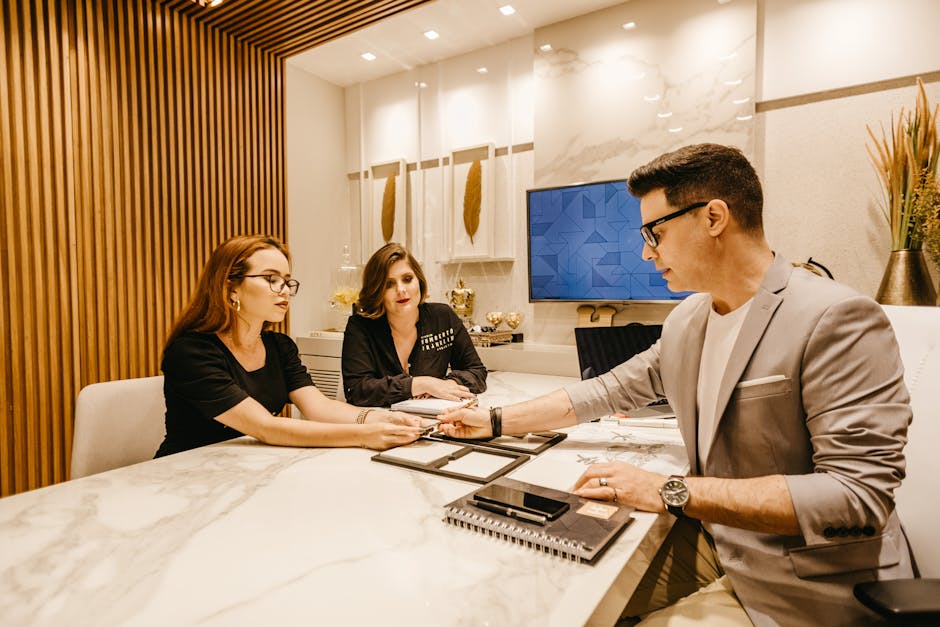
How DISC Makes Your 1:1 Meetings Better
If you’re a manager, you know that one-on-one meetings can be a powerful tool. But sometimes, those conversations feel off. Maybe you’re not connecting the way you want, or the feedback doesn’t land right. DISC training can help you make small adjustments that lead to big improvements in your 1:1s-whether you’re working in Eustis or making the drive in from Apopka, Clermont, Altamonte Springs, Casselberry, or Sanford.
DISC Basics: What You Need to Know
DISC is a simple model that helps you understand how people communicate and work together. There are four main behavioral styles:
- D (Dominance): Direct, decisive, and likes quick results
- I (Influence): Outgoing, enthusiastic, and values connection
- S (Steadiness): Reliable, calm, and likes stability
- C (Conscientiousness): Detail-oriented, logical, and values accuracy
Once you know your own style-and the style of your team members-you can tweak how you approach every conversation. The DISC assessment gives you this insight, and DISC training for managers turns that knowledge into action.
Takeaway: Knowing DISC styles means you can quickly spot what matters to each person in your 1:1s.
Why Tiny Changes Matter in 1:1s
It’s easy to overlook small shifts in how you lead a meeting, but these are the changes that make your conversations more productive. By using DISC, you learn to:
- Ask questions that match the other person’s communication style
- Give feedback in a way they’re most likely to accept
- Reduce misunderstandings and increase trust
- Spot early signs of stress or disengagement
Think of DISC as your guidebook for reading the room-even if you’re just across a desk from someone.
Try this: Before your next one-on-one, review your team member’s DISC profile and jot down two ways to adjust your usual approach.
How to Adjust Your Approach with DISC
Here’s how you can use DISC to fine-tune your 1:1s, no matter your industry or team size:
- For D styles: Get to the point quickly and focus on outcomes. Avoid too much small talk or vague feedback.
- For I styles: Spend time building rapport and acknowledge their contributions. Use positive energy and keep the meeting lively.
- For S styles: Move at a comfortable pace and be patient. Show appreciation for reliability and ask how you can support them.
- For C styles: Be prepared with facts and details. Allow time for questions and avoid emotional language.
These small adjustments show respect for your team’s differences and make every meeting count.
Tip: Ask your team how they prefer to receive feedback-this often lines up with their DISC style.
Examples from Real Managers
Managers who use DISC training often share stories about stronger communication and fewer misunderstandings. For instance, some local leaders who regularly travel between Eustis and nearby areas like Apopka or Casselberry find that DISC helps them quickly build rapport, even when team members come from different backgrounds or departments. Others, who commute from Clermont or Sanford, say these tweaks lead to more open conversations and less second-guessing after meetings.
Whether you’re running a growing team in Altamonte Springs or leading a family-owned business in Eustis, the right DISC training turns every 1:1 into a real opportunity for connection and growth.
Action step: At your next meeting, try matching your communication style to your team member’s DISC profile and watch for the difference in their response.
Getting Started with DISC Training as a Manager
If you’re ready to see better results from your one-on-ones, it’s easy to get started with DISC training for managers. You can take a DISC assessment yourself, encourage your team to do the same, and then learn together how to apply the results. Workshops and online resources make it simple-even if your team is split between Eustis, Apopka, Clermont, Altamonte Springs, Casselberry, or Sanford.
- Sign up for a DISC assessment to understand your style
- Share the process with your team so everyone gets on board
- Practice one new DISC-based tweak at every 1:1
Next step: Choose one team member for your next 1:1, review their DISC profile, and plan your approach using what you’ve learned here.
Make Every 1:1 Meeting Count
DISC isn’t just a personality test-it’s a practical tool for managers who want to build trust, save time, and create a stronger team. Whether you’re meeting in Eustis or traveling in from a nearby city, the tiny tweaks you make using DISC add up. Start with one change at your next 1:1 and see how much smoother your meetings can be.
Remember: Small changes in how you communicate make a big impact on results, retention, and team morale. Try DISC in your next one-on-one and experience the difference for yourself.